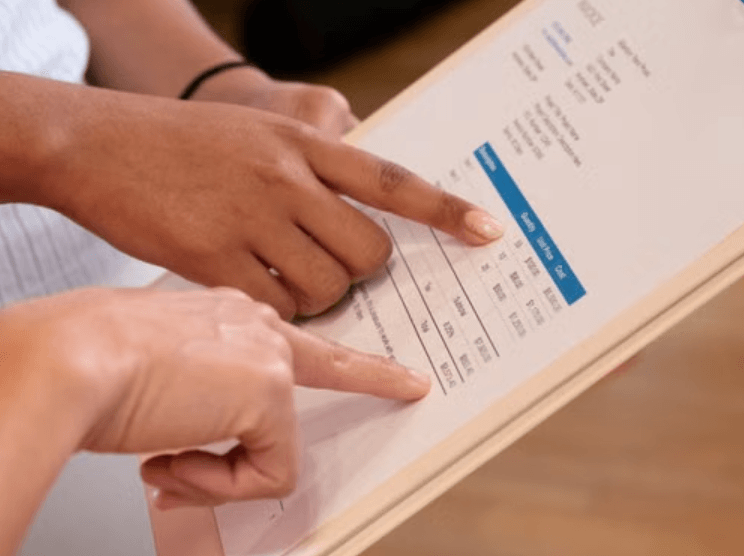
Surprise medical bills can put pressure on even a carefully planned budget. This can lead to medical debt, which often results in bankruptcy for many families. It also makes it challenging to focus on treatment when already stressed from huge medical bills. Fortunately, there are some steps you can take to pay or lower the cost. This article outlines five of them.
Use Your Emergency Savings
Using savings for part of the expense may reduce the need to borrow or the amount you need to borrow. To ensure you always have emergency savings available, separate the money from your everyday spending account. This will reduce the temptation of using it for routine purchases. If you need to use your savings for medical expenses, determine how much you owe and make the most of your emergency savings by:
- Prioritizing urgent expenses
- Avoiding using your entire emergency fund
- Rebuilding your savings gradually
- Reviewing your budget
Ask About Payment Plans
Your healthcare provider may be able to help you learn about medical bill assistance resources available. Many clinics and hospitals may allow patients to pay their balances in an installment plan. They are usually interest-free and cheaper than paying the bill with a loan.
Before you accept any plan, understand the terms. Ask whether interest or administrative fees apply, when payments are due, and what happens if you miss a payment. Double-check the bill to ensure it does not include what you did not receive. Make sure the services listed are accurate, your insurance has been applied correctly, and you have not been charged for the same service or treatment.
Explore Financial Assistance Programs
These programs reduce your out-of-pocket expenses. Your doctor can help connect you with various forms of financial aid depending on your circumstances. Some hospitals have dedicated staff such as social workers who help patients understand their options and complete applications. When searching for assistance, consider the following options:
- Hospital financial assistance
- Government healthcare programs
- Charity organizations
- Community support services
Keep and organize copies of your medical bills, proof of income, and insurance information during the application process. This can be helpful when denied assistance, want to appeal the decision, or you are asked to provide additional information.
See also: Common Bookkeeping Mistakes That Cost Small Businesses Money
Review Your Health Insurance Coverage
Insurance may cover more of the expenses than you initially expect. However, the amount paid can depend on:
- Your plan
- Deductible
- Provider network
- Type of treatment received
Reach out to your insurer to confirm what services are covered. If you suspect a claim was denied unfairly, request an explanation. You may also consider working with a lawyer who can help appeal the decision. In addition, check whether your employer offers additional health benefits. This will help you avoid paying costs that should have been covered.
Consider a Payday Loan
This is a convenient option for quick access to money. The application process is usually straightforward and fast. However, before choosing this option, review its terms. This will help you plan ahead and fit the expense into your budget. Ask yourself the following questions?
- How much money do I actually need?
- What is the total cost of the loan?
- Can I repay it on time?
- Are there other alternatives available?
If you are exploring online options at https://www.mycanadapayday.com/, understand the eligibility requirements. Also, consider how fast you can get the money. Even if you need cash quickly, take some time to compare lenders and only borrow exactly what you need to cover your bill.
Endnote
Unexpected medical bills can quickly become a financial burden to any family. To avoid falling deeper into debt, understand your options, ask the right questions, and choose a solution that meets your immediate medical needs while also safeguarding your long-term financial stability.