Introduction
The way businesses manage finances has transformed dramatically over the last decade. Manual bookkeeping is fading, and in its place, digital solutions powered by accounting software and web development are taking over.
From startups to global enterprises, organizations are relying on web-based platforms to handle everything from invoicing to real-time financial analytics. This shift isn’t just about convenience—it’s about accuracy, scalability, and smarter decision-making.
In this guide, you’ll learn how accounting software and web development intersect, why it matters, and how you can leverage both to build powerful financial systems.
What is Accounting Software?
Accounting software is a digital solution designed to manage financial transactions, automate bookkeeping, and generate reports. It eliminates the need for manual calculations and reduces errors.
Popular tools include:
- QuickBooks
- Xero
- Zoho Books
Core Features of Accounting Software
1. Automated Bookkeeping
Transactions are recorded automatically, saving time and reducing errors.
2. Invoicing and Billing
Generate professional invoices and track payments efficiently.
3. Expense Tracking
Monitor spending patterns and categorize expenses.
4. Financial Reporting
Generate profit & loss statements, balance sheets, and cash flow reports.
5. Tax Management
Simplify tax calculations and ensure compliance.
What is Web Development?
Web development is the process of building websites and web applications. In the context of accounting, it enables software to run online, making it accessible from anywhere.
Types of Web Development
- Frontend Development – Focuses on design and user experience
- Backend Development – Handles logic, servers, and databases
- Full-Stack Development – Combines both
Technologies Used
- HTML, CSS, JavaScript
- React, Angular, Vue.js
- Node.js, Django, Laravel
How Accounting Software and Web Development Work Together
The real power comes when accounting software is combined with web development. This integration creates dynamic, cloud-based financial systems.
1. Cloud-Based Accounting Platforms
Modern tools like QuickBooks Online operate entirely on the web. This means users can access financial data anytime, anywhere.
Benefits:
- No installation required
- Automatic updates
- Remote access
2. Real-Time Financial Dashboards
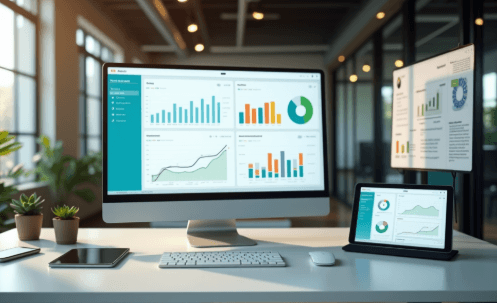
Web applications allow developers to build dashboards that display live financial data.
These dashboards help businesses:
- Track revenue in real time
- Monitor expenses
- Forecast growth
3. Seamless Integration with Other Systems
Web development enables accounting software to connect with:
- E-commerce platforms (Shopify, WooCommerce)
- Payment gateways (Stripe, PayPal)
- CRM systems
This integration eliminates manual data entry and improves efficiency.
4. API-Driven Automation
APIs allow different systems to communicate. Developers use them to:
- Sync financial data
- Automate invoicing
- Update payment statuses
Benefits of Accounting Software and Web Development
1. Increased Efficiency
Automation reduces manual workload and speeds up processes.
2. Accuracy and Reliability
Minimizes human errors in financial calculations.
3. Scalability
Web-based systems grow with your business.
4. Accessibility
Access your financial data from anywhere in the world.
5. Enhanced Security
Modern platforms use encryption and authentication to protect data.
Key Technologies Behind Modern Accounting Systems
Frontend Technologies
- React.js
- Angular
- Vue.js
Backend Technologies
- Node.js
- Django
- Laravel
Databases
- MySQL
- PostgreSQL
- MongoDB
Cloud Infrastructure
- Amazon Web Services
- Microsoft Azure
- Google Cloud
How to Build a Web-Based Accounting System (Step-by-Step)
Step 1: Define Requirements
Identify features like invoicing, reporting, and tax management.
Step 2: Choose Technology Stack
Select frontend, backend, and database technologies.
Step 3: Design UI/UX
Ensure the interface is simple and user-friendly.
Step 4: Develop Backend Logic
Implement financial calculations and data processing.
Step 5: Integrate APIs
Connect with payment gateways and external tools.
Step 6: Ensure Security
Use encryption, authentication, and secure coding practices.
Step 7: Test and Deploy
Test thoroughly before launching your application.
Common Challenges
Data Security Risks
Financial data is sensitive and requires strong protection.
Integration Complexity
Connecting multiple systems can be difficult.
User Experience Issues
Complex interfaces can confuse users.
Compliance Requirements
Different countries have different financial regulations.
Future Trends in Accounting Software and Web Development
1. AI-Powered Accounting
Artificial Intelligence will automate tasks like expense categorization and fraud detection.
2. Real-Time Analytics
Businesses will rely more on instant financial insights.
3. Blockchain Technology
Improves transparency and security in transactions.
4. Mobile-First Solutions
More users will manage finances via mobile apps.
Best Practices for Businesses
- Choose scalable software solutions
- Prioritize data security
- Invest in user-friendly design
- Regularly update your system
- Use cloud-based platforms
Internal Linking Suggestions
To improve SEO and user engagement, link this article to:
- “Best Data Visualization Tools for Beginners”
- “How to Present Data in Reports (With Examples)”
- “Best Free Chart Makers Online (No Signup)”
- “How to Use Google Search Console for Keyword Research”
These internal links help improve site structure and ranking.
Conclusion
The combination of accounting software and web development is transforming how businesses manage their finances. By leveraging modern technologies, companies can automate processes, gain real-time insights, and scale efficiently.
Whether you’re building a custom solution or using existing tools like QuickBooks or Xero, integrating web development is the key to unlocking their full potential.
Investing in these technologies today will prepare your business for a smarter, faster, and more secure financial future.
See also: Remote Patient Monitoring Systems
FAQs
1. What is the role of web development in accounting software?
Web development enables accounting software to run online, making it accessible, scalable, and interactive.
2. Is cloud accounting better than traditional accounting?
Yes, cloud accounting offers real-time access, automation, and better scalability compared to traditional methods.
3. Can I build custom accounting software?
Yes, with the right development team and technology stack, you can create a tailored solution for your business.
4. Which is the best accounting software?
Popular options include QuickBooks, Xero, and Zoho Books.
5. How secure are web-based accounting systems?
They are highly secure when built with encryption, authentication, and best security practices.