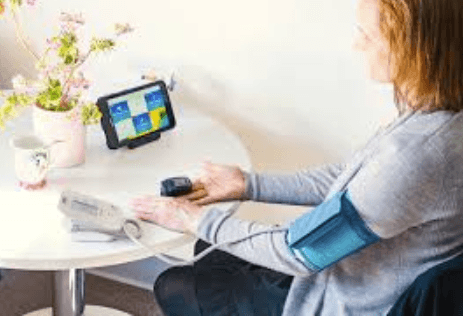
Remote Patient Monitoring (RPM) systems collect health data from patients outside clinics, transmitting real-time or near-real-time information to care teams via wearables, gateways, and cloud analytics. They emphasize patient engagement, autonomy, and timely decision-making, while integrating secure messaging and event logs into interoperable workflows. Data security, privacy, and scalable adoption across diverse settings are critical concerns. Careful vendor selection, cost considerations, and alignment with clinical workflows determine measurable outcomes; the next step is to assess practical implications for implementation.
What Remote Patient Monitoring Is and Why It Matters
Remote patient monitoring (RPM) involves the collection of health data from patients outside traditional clinical settings, using devices and sensors that transmit information to care teams in real time or near-real time.
RPM clarifies scope, standardizes data flow, and enables proactive oversight.
It expands RPM scope while emphasizing patient engagement, aligning monitoring with autonomy and informed, timely decision-making.
Key Technologies and Data You’ll Track
The landscape of remote patient monitoring hinges on the integration of specific technologies and the data streams they generate. RPM relies on wearable sensors, mobile gateways, cloud processing, and secure messaging. Core data include vitals, activity, and event logs. Emphasis on Data security and workflow integration ensures compliant, scalable, and actionable insights without compromising clinician autonomy or patient privacy.
Choosing RPM Solutions: Features, Interoperability, and Costs
Selecting an RPM solution requires a concise assessment of feature sets, interoperability with existing health IT, and total cost of ownership, including hardware, software, and ongoing support.
Vendors should enumerate Choosing RPM features clearly, quantify interoperability costs, and align capabilities with clinical workflows.
Prioritize scalable data exchange, robust security, and transparent licensing to support durable, autonomous monitoring without vendor lock-in or ambiguity.
Implementing RPM in Real-World Care: Adoption, Privacy, and Outcomes
Implementing RPM in real-world care requires examining how adoption unfolds across diverse clinical settings, how privacy constraints are maintained within daily workflows, and how resulting outcomes are measured and interpreted.
Adoption barriers emerge from workflow disruption, clinician training needs, and integration with existing systems.
Privacy considerations encompass access controls, data minimization, and regulatory compliance while outcomes reflect safety, adherence, and cost-effectiveness.
Frequently Asked Questions
How Is Patient Data Ownership Defined Across RPM Programs?
Patient data ownership definitions vary, generally granting patients rights to access and control their data, while providers retain stewardship and usage for care; device security and consent management underpin governance, with explicit consent and data-sharing terms guiding ownership boundaries.
What Metrics Indicate RPM Is Cost-Effective for Chronic Conditions?
Cost savings and adherence metrics indicate RPM is cost-effective for chronic conditions, as reduced hospitalizations and improved treatment consistency lower downstream costs, while data-driven adherence patterns support scalable, patient-centered care without compromising autonomy or flexibility.
How Do RPM Programs Handle Device Malfunctions in Care Plans?
Device malfunctions trigger predefined escalation workflows within care plan adjustments, ensuring data integrity. Data ownership and data integration policies govern access and resolution. Training engagement accelerates issue categorization, while technicians document root causes and implement timely corrective actions.
Can RPM Integrate With Long-Term Care and Community-Based Services?
Integration with long-term care and community-based services is feasible, though presents integration challenges and privacy considerations. The approach remains technically precise, enabling adaptable interfaces, standardized data exchange, and governance to preserve autonomy for individuals seeking freedom within coordinated care.
What Training Resources Support Patient Engagement With RPM Technology?
Training resources support patient engagement by offering accessible tutorials, onboarding guides, and practice modules. Patient engagement improves through interactive simulations, clear feedback, and ongoing coach contacts, empowering users to adopt RPM tools with confidence and sustained, autonomous participation.
See also: financecubcom
Conclusion
Remote patient monitoring (RPM) systems enable continuous data flows from patients to care teams, supporting timely interventions and improved outcomes. A notable statistic: hospitals report up to a 20% reduction in readmissions when RPM is integrated with care pathways. The conclusion emphasizes secure, scalable adoption, interoperability, and alignment with clinical workflows to maximize value while preserving patient privacy. With careful vendor selection, robust analytics, and clear governance, RPM can sustain engagement and deliver measurable, real-world impact across diverse care settings.