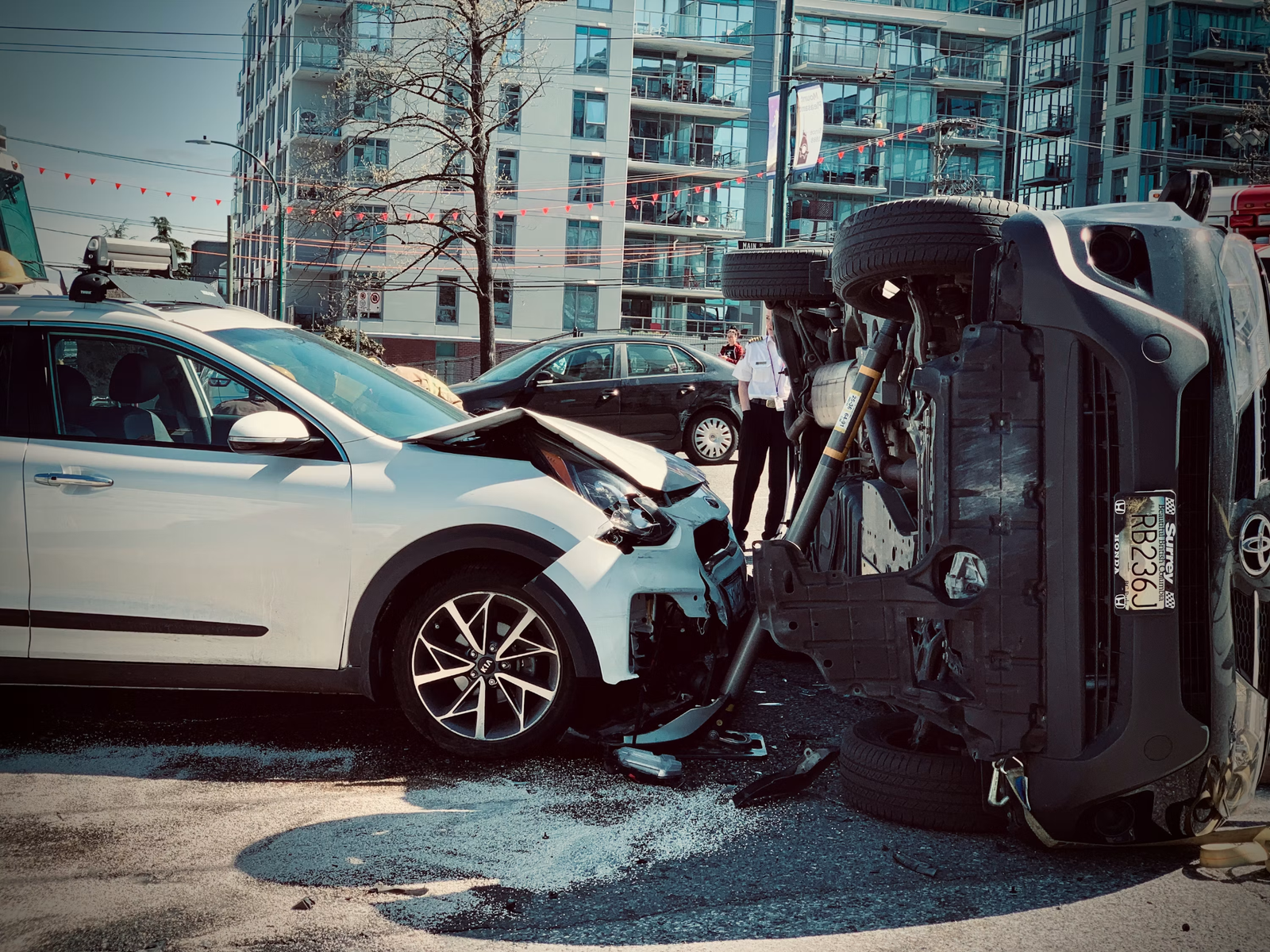
A crash involving an automated vehicle does not automatically make the vehicle owner or manufacturer responsible. The party that pays may depend on what caused the collision, who controlled the vehicle at the time, whether a driver was expected to monitor the system, and whether a defect or software failure contributed to the crash. In Colorado, liability for an automated driving system operating without human control is determined under applicable state, federal, or common law.
That distinction matters because not every vehicle marketed with automated features is actually self-driving. The National Highway Traffic Safety Administration (NHTSA) states that Level 2 driver-assistance systems still require the human driver to remain fully engaged, while Level 3 through Level 5 automated driving systems are designed for progressively greater automation. NHTSA also says fully automated vehicles are not currently available for consumer purchase in the United States.
For someone injured in Denver, the first task is identifying what the vehicle was doing, what technology was active, and which party’s conduct or product contributed to the crash. Injury attorneys in Denver CO can help injured people examine those questions and the evidence surrounding an automated vehicle collision.
Why Automation Changes a Typical Injury Claim
A conventional motor vehicle claim often centers on driver conduct. Investigators may examine speeding, distraction, impairment, failure to yield, unsafe lane changes, or other traffic violations. Automated driving can add several layers to that analysis.
The vehicle may rely on cameras, radar, lidar, GPS information, mapping data, onboard computers, artificial intelligence models, and other software. A collision could therefore involve more than one source of responsibility.
For example, an investigation might need to determine whether:
- A human driver failed to monitor an assistance system as required.
- The automated system made an unsafe driving decision.
- A sensor failed to detect another vehicle, pedestrian, cyclist, or roadway condition.
- Software behaved differently from its intended design.
- A manufacturer knew about a recurring defect.
- A vehicle operator failed to maintain or supervise the automated system properly.
The distinction between driver assistance and automated driving is particularly significant. NHTSA describes Level 2 systems as technology that can control steering and acceleration or braking while still requiring the driver to remain responsible and attentive.
That means an injured person should not assume that the phrase “self-driving” establishes who is legally responsible.
The Vehicle Driver May Still Have Responsibility
A vehicle with advanced automation may still place legal duties on its human operator.
For Level 2 systems, NHTSA specifically states that the driver remains responsible for operating the vehicle and must stay engaged and attentive. If a driver ignores warnings, misuses an automated feature, or fails to take control when required, those facts could affect a personal injury claim.
The driver’s actions before and during the collision can therefore remain relevant even when the vehicle performed much of the steering, braking, or acceleration.
A claim may also involve comparative responsibility if evidence shows that more than one party contributed to the crash. The precise effect depends on Colorado law and the facts established during the investigation.
The Manufacturer Could Face Product Liability Issues
A vehicle manufacturer may become relevant when evidence points to a defect in the vehicle, its hardware, or its automated-driving technology.
A product-related claim can involve questions such as whether a component was defective, whether the system was designed to operate safely under expected conditions, or whether warnings and instructions adequately explained known risks.
Automated systems make these questions more technical because the alleged defect may not be visible after the collision. A problem could involve software behavior, sensor performance, system integration, or the interaction between multiple vehicle components.
NHTSA’s federal crash-reporting requirements reflect the importance of collecting information about crashes involving automated driving systems. Under the agency’s current Standing General Order, covered manufacturers and operators must report specified crashes involving ADS, including certain crashes involving injury, fatalities, vulnerable road users, vehicle towing, airbag deployment, or other specified circumstances.
Those reporting requirements do not by themselves establish liability in an individual injury claim. They do, however, show why technical crash information can matter when investigating an automated-vehicle collision.
Software Companies and Other Businesses May Enter the Picture
Responsibility may extend beyond the vehicle manufacturer in some circumstances.
An automated vehicle can depend on technology supplied by several businesses. Sensors, computing hardware, mapping services, software, communications systems, and other components may come from different sources. A crash investigation may therefore need to identify which company controlled or supplied the part of the system connected to the alleged failure.
This does not mean every technology provider involved with a vehicle is legally responsible. The evidence must connect a particular party’s conduct, product, or system to the injuries and the crash.
That distinction can prevent an investigation from stopping at the most obvious party.
Evidence Can Reveal What the Vehicle Was Doing
Automated vehicle claims can depend heavily on digital evidence that may not appear in a traditional police report.
Potentially relevant information can include vehicle event data, system logs, sensor records, diagnostic information, recorded video, software versions, maintenance records, communications between the vehicle and remote systems, and information showing when an automated feature was activated.
NHTSA says its crash-reporting system is intended to provide timely information that can help the agency investigate safety concerns and possible defects. The agency also acknowledges data-quality limitations and differences in how automation systems have been classified in past reporting.
Preserving this evidence can therefore be particularly significant after a serious collision.
For injured people, working with injury attorneys Denver CO can involve more than reviewing medical records and photographs. The investigation may also require identifying the vehicle’s automation level, preserving electronic information, and determining which parties had access to relevant technical records.
Colorado’s Automated Vehicle Rules Matter
Colorado has addressed automated driving systems directly. State law provides that liability for a crash involving an automated driving system operating a motor vehicle without human control is determined according to applicable state law, federal law, or common law.
Colorado has also continued addressing automated vehicle use through legislation. For example, a 2026 bill concerning automated driving systems in commercial motor vehicles would have required a licensed commercial driver to be present and monitor certain automated commercial vehicles, but the Colorado General Assembly’s official record shows that the bill did not become law.
The distinction between enacted requirements and proposed legislation matters. A claim should be evaluated using the rules actually applicable to the vehicle, operator, road use, and date of the crash.
Insurance May Be Only One Part of the Claim
Insurance can be involved in an automated-vehicle injury claim, but insurance coverage does not necessarily answer the larger liability question. Understanding who pays for damages after a car accident can also help clarify how insurance coverage may interact with responsibility for the crash.
Depending on the circumstances, relevant coverage could include the at-fault driver’s automobile insurance, coverage associated with a vehicle owner or commercial operator, or insurance connected to another responsible business.
A serious claim may also require examining product liability, negligence, premises-related factors, or other legal theories. The appropriate route depends on the facts.
An injury attorney Denver may therefore need to examine both available insurance coverage and the underlying cause of the crash. The two questions are related, but they are not identical.
What Injured People Should Preserve After an Automated Vehicle Crash
Early evidence can disappear or become difficult to obtain. A person injured in Denver should preserve ordinary crash evidence while also considering the technology involved.
Useful records can include:
- Police reports, photographs, videos, witness information, and vehicle damage records.
- Medical records and documentation connecting treatment to the collision.
- Information about the vehicle’s make, model, automation features, and system warnings.
- Dashcam, phone, security-camera, or other recordings showing the collision or events immediately before it.
Do not attempt to alter, reset, repair, or erase potentially relevant electronic evidence from a vehicle or device. Technical evidence may become important later when determining what the automated system detected and how it responded.
Why the Cause of the Crash Matters More Than the Label
Calling a vehicle “self-driving” can make an accident sound straightforward, but the legal analysis is rarely that simple.
A collision may involve human conduct, automated technology, vehicle maintenance, road conditions, another driver’s actions, or several contributing factors. The question is not simply who owned the vehicle. It is which actions, failures, defects, or conditions caused the injuries and what legal rules apply to those facts.
For example, a driver who failed to monitor a Level 2 system presents a different liability question from a collision allegedly caused by a malfunctioning sensor. A driverless commercial vehicle raises different issues from a privately owned vehicle using a driver-assistance feature. The technical details can change the legal analysis.
Building an Injury Claim Around the Available Evidence
People injured in automated-vehicle crashes may face an unfamiliar mix of physical injuries and technical evidence. A careful investigation should connect the crash evidence to the medical consequences rather than treating the technology as an isolated issue.
That can include identifying every vehicle involved, documenting the automation system in use, preserving available digital records, examining driver and operator conduct, and determining whether a product defect may have contributed to the collision.
5280 Injury Law can review the circumstances surrounding an injury claim and help identify the legal and factual questions that may need further investigation.
The Person Responsible May Not Be Obvious
An automated vehicle does not create a single automatic answer to the question of who pays. Responsibility can rest with a driver, vehicle owner, operator, manufacturer, technology provider, or another party, depending on the evidence and applicable law. Multiple parties may also become relevant when different factors contributed to the same crash.
For someone injured in Denver, documenting the collision and preserving evidence can help clarify what happened before assumptions about liability take over. Speaking with an injury lawyer Denver CO can also provide a structured review of the available evidence and the legal theories that may apply.
If an automated vehicle crash has caused serious injuries, contact us today to discuss the circumstances and determine what information may be important to your claim. Automated driving technology is changing the evidence used in vehicle injury claims, but basic legal principles still matter: identify the cause, establish responsibility, document the injuries, and connect the evidence to the harm suffered.