A busy summer or holiday season can bring a welcome surge in customers, projects, and revenue for South Jersey businesses. But when visitor numbers drop, outdoor work slows, or shoppers pull back after peak spending periods, the bills don’t necessarily follow suit. Without a plan, even a successful season can leave owners scrambling to cover routine expenses.
A steadier off-season starts with decisions made while business is still brisk, especially when it comes to setting money aside and anticipating what comes next. For many owners, that preparation also means finding the right small business banking in South Jersey to support their financial needs throughout the year.
Understand How Seasonal Swings Affect Your Business
Seasonality looks different across South Jersey. Restaurants, hotels, and shore-town shops may depend on summer visitors, while contractors and outdoor service providers often see demand shift with the weather. Retailers may experience a holiday rush followed by a quieter first quarter. Businesses serving other local companies can also feel the effects when customers’ schedules and spending change.
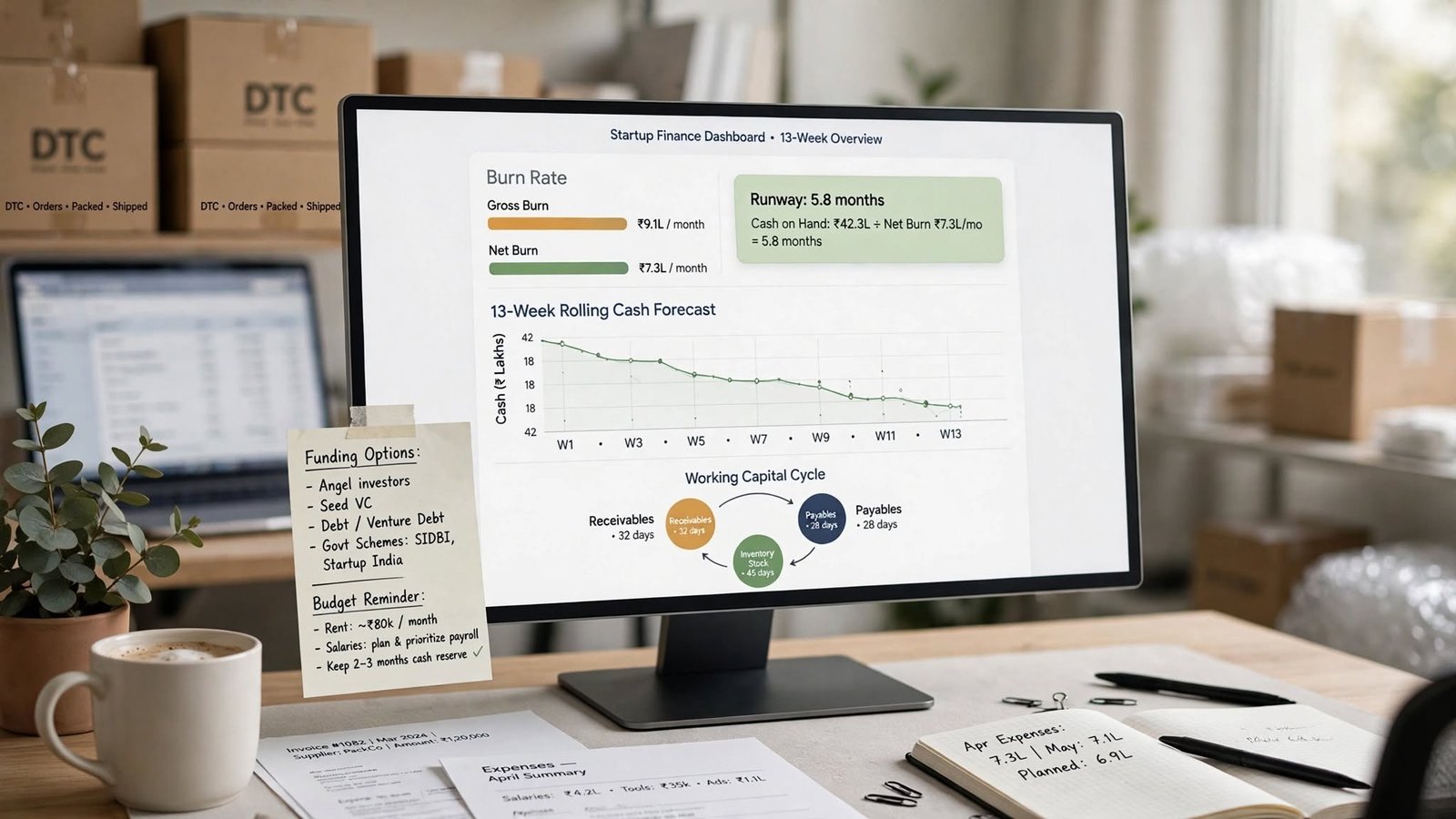
Revenue may fluctuate while many costs remain consistent. Rent, insurance, utilities, equipment payments, and core staffing expenses still need attention during slower periods. Compare high- and low-revenue months with recurring expenses to identify when cash may become tight and how much preparation is needed.
Build a Reserve Before Revenue Slows
Treat the busy season as an opportunity to prepare for the months ahead, not as a reason to increase spending. Set a reserve target based on essential operating costs and the length of your typical slow period. Businesses facing several months of reduced activity may need a larger cushion than those experiencing a brief dip.
Make saving part of your routine. Transfer a set percentage of weekly or monthly revenue into reserves when income is strong, rather than waiting to see what remains at season’s end. Review the amount as expenses and sales patterns change. A reserve should cover essential operating needs, not every new expense.
See also: Official Friend of Bus Website: Trusted Bus Charter Services in Singapore
Separate Funds and Prepare for Upcoming Expenses
Keeping operating money and savings distinct makes it easier to see what’s available for everyday costs and what is being set aside for a specific purpose. A dedicated business savings account can help protect your reserve from routine spending, while business checking handles incoming payments and regular expenses. Review balances weekly.
Plan for expenses that arrive regardless of the season. Build a calendar that accounts for:
- Payroll and Staffing: Wages, seasonal hiring changes, and expected overtime.
- Taxes and Filings: Estimated tax payments, sales tax obligations, and annual filing deadlines.
- Insurance and Renewals: Policy premiums, licenses, permits, and service agreements.
- Equipment and Inventory: Repairs, maintenance, restocking, and deposits for upcoming work.
Estimate the amount and due date for each expense, then set money aside gradually. An expense calendar and cash-flow forecast can help you spot shortfalls early, delay discretionary purchases when necessary, and avoid last-minute borrowing.
Explore Small Business Banking in South Jersey
Managing a seasonal slowdown is easier when you understand upcoming income, expenses, and available reserves, especially when working with a local banker who understands the business community. See how small business banking options in South Jersey can help you prepare for slower months and manage cash flow year-round, then reach out to a banker to get started.